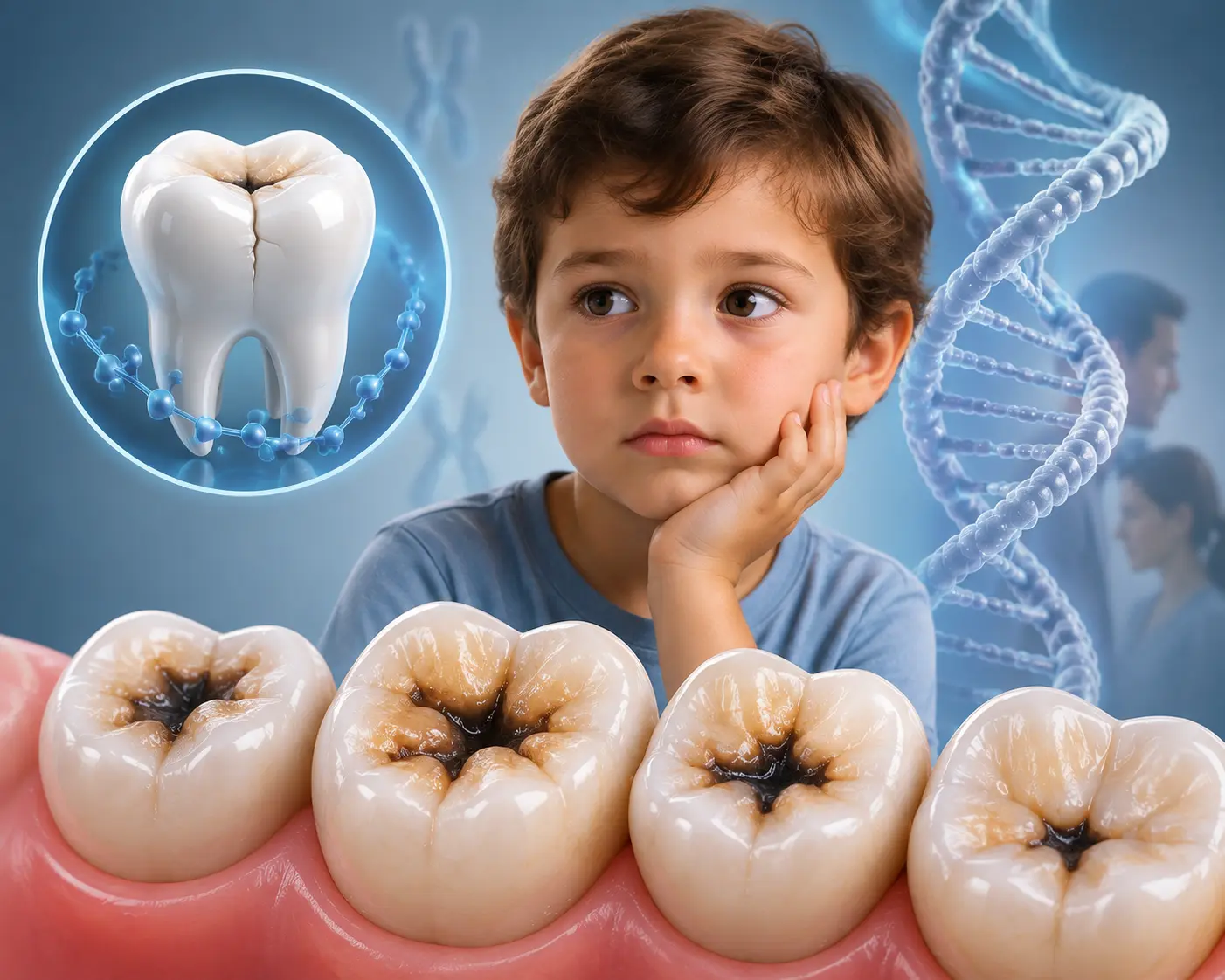
Genetic Tooth Decay: What Parents Should Know?
As a responsible parent, it is the right thing to instill good oral hygiene habits in your kids from an early age. However, your child could be at risk of cavities. This leads many parents to wonder: Is tooth decay genetic? The answer is long and cumbersome. Genetic tooth decay, the concept that you pass on the susceptibility to cavities, is one factor, but it is not the only one. Oral health is a typical case of genetics and environment together.
Knowing this connection is key to efficiently protecting your family’s teeth from cavities. We will concentrate on the traits that you inherit and that put you at risk of developing cavity, and the environmental controls that are the main factors in preventing cavity formation.
The Role of Genetics in Tooth Decay
Genetics can influence several factors that can either make one more or less prone to teeth with cavities. Although these inherited features do not directly lead to decay, they are responsible for setting up the situation where bacteria that cause decay can proliferate.
Genetic factors that have a major influence on cavity risk:
1. Enamel and Dentin Structure
Human gene composition determines the kind and structure of tooth enamel and dentin.
- Some individuals are born with soft, thin, or poorly mineralized enamel.
- The less mineralized or thinner a tooth is, the more it loses a battle with the acids produced by bacteria.
If your child turns out to inherit the gene that gives them thin enamel, they may be at a higher risk for genetic tooth decay.
2. Saliva Composition and Flow
Saliva works as a natural and vital barrier against tooth cavities. Saliva’s two main characteristics are determined by genetics:
- Buffering Capacity: The presence of minerals (calcium and phosphate) in saliva helps to neutralize the acid and to remineralize the enamel. People having low salivary buffering capacity will fight acid less effectively, thus having a higher risk of genetic tooth decay.
- Flow Rate: If salivary flow is low, then the mouth is not cleansed as frequently, and consequently, the acids and food particles will stay on the teeth for longer periods.
When wondering whether cavities are genetic, these two factors are very much at play.
3. Tooth Morphology (Shape and Alignment)
The genetic blueprint determines the very morphology of your teeth.
- The teeth having deep grooves and fissures are almost impossible to clean properly.
- Thus, it becomes an attractive site for plaque accumulation and the subsequent development of tooth cavities.
- Genetic problems like overlapping or crooked teeth have the same effect. They also give the bacteria more places to hide.
A family history of misaligned teeth can increase the likelihood of genetic tooth decay.
4. Taste Preferences and Diet
There might be a genetic factor behind your liking for sugary foods. According to research, the variations in our genes can lead to differences in the intensity of sweetness perception.
The Dominance of Environment in Tooth Decay
Genetics might be the one to lay the foundation, but environment is a factor that decisively controls the vast majority of dental decay.
The key environmental factors driving cavity risk are:
1. Diet and Sugar Intake
Dietary habits and sugar consumption are the leading environmental factors with the most impact. Bacteria digest the sugar (from soft drinks, juices, and starches) more often, hence the acid build-up is higher, and the decay process is quicker.
2. Oral Hygiene Practices
Not-so-good brushing technique, omitting care at nighttime, or not flossing at all are the main reasons for getting cavities. Good hygiene is the non-negotiable step to prevent decay, regardless of whether cavities are genetic.
3. Bacteria Transmission
The bacteria responsible for cavities, Streptococcus mutans, can be passed from mouth to mouth between parents and children. This ecological transfer can hasten the appearance of the genetic tooth decay symptoms.
4. Fluoride Exposure
Fluoride is a mineral that occurs naturally in the environment, and its main role is to protect teeth. The insufficient use of fluoride has been recognized as the most significant environmental risk factor leading to the development of tooth cavities.
Environment vs. Genetics: A Comparative Table
Whoever wants a definitive answer to the question whether tooth decay is a matter of genetics or not, would find it useful to compare the factors one to the other. The table below presents the main points of interaction between nature and nurture.
In almost all situations, the right environmental measures (diet and hygiene) can effectively neutralize a genetic tendency for genetic tooth decay.
What Parents Should Do: Actionable Steps
For the kids who have been identified as having a high risk, probably due to a family history of teeth with cavities, it is of utmost importance that preventive action is taken.
1. Sealants Are Your Ally
A sealant is a protective layer of plastic that is painted over the chewing surfaces of the back teeth, preventing bacteria and food from entering.
2. Professional Fluoride Varnish
Have a talk with your pediatric dentist regarding professional fluoride varnish applications. The role of fluoride is to enhance enamel and, consequently, aid in the early damage repair process.
3. Focus on Frequency, Not Just Quantity
The frequency of sugar consumption in kids is the most important factor, not the amount. Snacking between meals should be limited so that saliva will have enough time to neutralize the acid. This method not only helps in fighting decay but also in managing the tendency for genetic tooth decay.
4. Improve Your Own Oral Health
Parents should keep up with their oral hygiene since aggressive bacteria are transferable. If a child’s parents have many cavities, the child is more likely to have teeth with cavities as well.
5. Consult Early and Often
Make an appointment for your child’s first visit to the dentist when they are one year old. The early intervention is regarded as the right way of dealing with the problem of potential cavities.
Outsmarting Heredity
Your Guide to Preventing Genetic Tooth Decay
In The End
Genetics might make it easier for some people to develop genetic tooth decay, but environmental factors will be the ruling factor nevertheless. The reply to the question “Is tooth decay genetic?” comes from taking preventive measures. Through the combination of brilliant oral care, sugar restrictions, fluoride applications, and steady dental appointments, parents can drastically lessen the effect of any genetic risk. Take charge of the environment to provide a cavity-free future for your family and beat genetic tooth decay challenges.
Why Choose Kids Camps & Co. Pediatric Dentistry?
At Kids Camp & CO. Pediatric Dentistry, we deliver expert, compassionate pediatric dental care in a fun, stress-free environment. Services include comprehensive preventive care, restorative treatments, minor oral surgery, and emergency dental care, ensuring a positive and healthy start for your child's smile.
.jpg)