Dental Sedation; Know What Keeps Numb, Calm, and Comfortable
For many people, the thought of visiting the dentist, especially for a dental procedure, brings anxiety. This feeling, often magnified in children or those facing extensive treatments, highlights the critical role of dental sedation. Far beyond simply “numbing” a tooth, modern sedation involves a spectrum of techniques designed to manage pain, reduce anxiety, and ensure the patient remains safe and comfortable throughout their appointment.
Knowing the various levels and types of dental sedation can give patients the feeling of being well informed and thus they can be more confident in their treatment choices, especially when the things are handled professionally. Sedation ranges from mild relaxation to deep sleep and there is a tailored sedation option available for almost every need.
Minimal Sedation (Anxiolysis)
Minimal Sedation is the least complex kind of dental sedation and is mainly applied in dental practices to reduce anxiety, which in turn makes the patients feel easier and relaxed. The patient is completely aware of and can also answer to the verbal commands during the operation.
Nitrous Oxide Dental (“Laughing Gas”)
Nitrous oxide dental is likely the most prevalent option among the minimal sedations, particularly for the dental treatments concerning children and general dentistry.
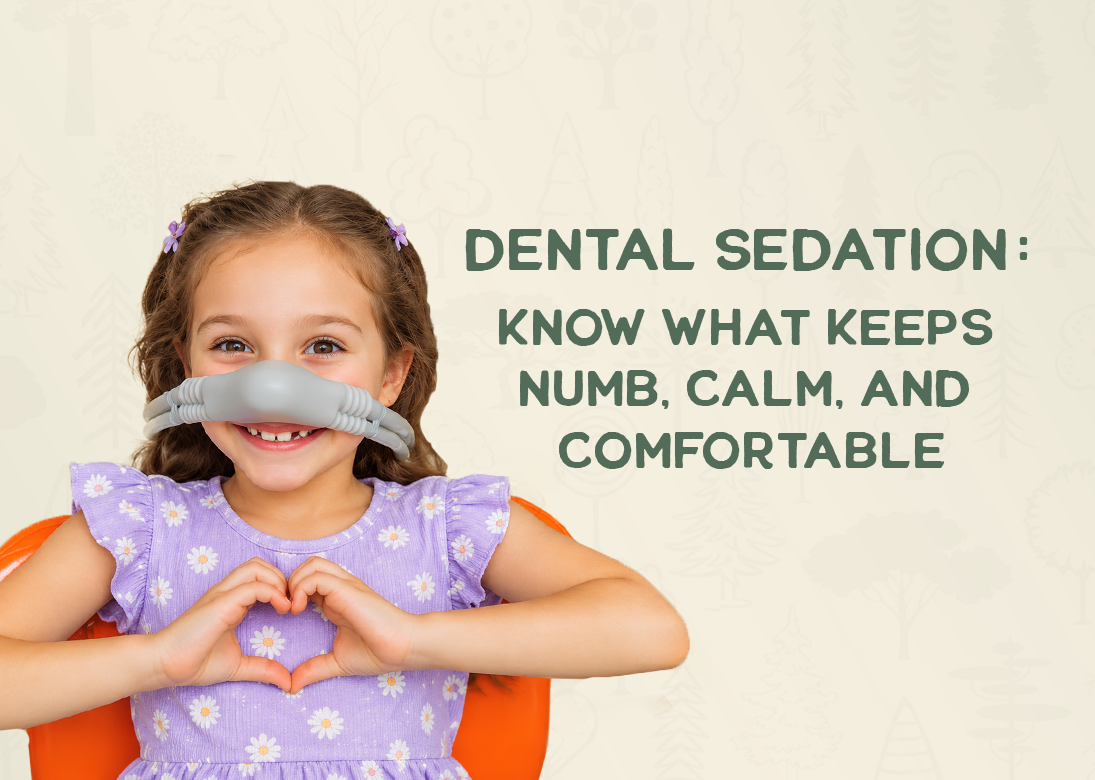
- How it Works: The patient inhales the nitrous oxide and oxygen mixture through a small mask fitted over the nose.
- Benefits: The results are felt very soon, and the most important thing is that they quickly disappear as soon as the gas is turned off and the patient breathes in pure oxygen.
- Used For: Mild anxiety, short procedures, or to ensure that kids are quiet during dental examinations.
The use of nitrous oxide dental has proven to be a very effective method of minimizing fear without resorting to heavy sedation.
Moderate Sedation (Conscious Sedation)
Moderate dental sedation refers to a level of relaxation that is more pronounced, and the patient is deeply relaxed, possibly even unable to control their speech. Although the patient might take a short nap, they can still be awakened without much trouble by just a gentle shake or shouting.
Oral Sedation
Oral sedation is a method of sedation that entails swallowing a drug like Triazolam, Midazolam, or Diazepam, a benzodiazepine prescribed by the dentist, in either pill or liquid form before the operation.
- How it Works: After the drug has been taken, the body starts to metabolize it, and after about 30 to 60 minutes, the patient is in a deep relaxation state.
- Benefits: It totally gets rid of the fear that comes with needles and is very effective for people suffering from moderate or severe dental anxiety. It is the most common method used for root canals, complicated tooth removal, or long-duration appointments.
- Consideration: The recovery period of oral sedation is longer than that of nitrous oxide. Therefore, the patient is required to have a competent adult accompanying them during the appointment.
Deep Sedation and General Anesthesia
These two forms of dental sedation approach the cutting-edge in dentistry. That is why they are only considered when difficult surgical procedures, anxious patients, and a scarcity of cooperation in the case of special needs patients are present.
Intravenous (IV) Sedation
Dental sedation in the IV form means that the drugs used for sedation are introduced into the patient’s blood circulation through an intravenous line. With this technique, the dental anesthetist has the ability to control the sedation level very accurately.
- How it Works: The drug is introduced into the patient’s veins thus making its effect instant and also adjustable.
- Used For: Major surgical procedures like complicated multiple extraction (for instance iv sedation for wisdom teeth), dental implants, and long reconstructive surgery are some of the uses.
- Safety: IV sedation for wisdom teeth through the IV sedation method entails the dentist anesthesiologist or oral surgeon monitor the patient’s heart rate, blood pressure, and oxygen saturation levels throughout the process.
General Anesthesia (GA)
With General Anesthesia, the person becomes fully and utterly unconscious. Normally, it is given in a hospital or in an accredited surgical center and is always overseen by a specialist in anesthesiology. This method is only used for serious surgeries or for patients with very low health conditions.
Understanding Sedation Dentistry Cost
The full sedation dentistry cost may range quite a lot depending on the sedation method, procedure duration, and the person giving the drugs.
Most dental insurance plans do not include dental sedation in their coverage unless it is classified as medically necessary (e.g., big surgery or difficult medical conditions).
Safety and Monitoring in Dental Sedation
Patient safety comes first. Even under the lowest level of dental sedation, a trained staff member continues to monitor the patient’s vital signs very closely.
Monitoring
The essential parameters of monitoring are pulse oximetry (oxygen saturation), heart rate, blood pressure, and respiration, which are automatically measured through the process.
Equipment
A clinic that provides moderate to deep dental sedation must have the required emergency supplies, which include oxygen and reversal agents for the sedative drugs.
The Sedation Team
In case of tough procedures like IV sedation for wisdom teeth removal, a dedicated sedation professional may be present solely to manage the patient’s comfort and vital signs. This specialization is one of the major factors pushing the price of the final sedation dentistry cost.
Why Is Dental Sedation Necessary?
Dental Sedation is a very important instrument for the patient’s comfort as well as the treatment’s success. The issues it treats are as follows:
Anxiety and Phobia
Dental sedation is the only solution for getting needed dental care for the millions of adults and children who suffer from anxiety related to dental treatment.
Pain Management
Deeper sedation allows the patient to forget entirely the drilling, sounds, and pressure that are usually discomforting, even though local anesthesia (a shot) is there to control pain.
Procedure Length
For longer or more complex surgeries, sedation will keep the patient relaxed and immobile, which is an important factor for the dentist to work fast and safely.
In The End
Dental Sedation is a multi-functional and indispensable tool that guarantees the patient's comfort and safety during the dental procedure. Different types of sedation are present, from the very light nitrous oxide to the carefully controlled intravenous blood circulation for complex surgery. Always consult the procedure and recovery with your dentist. Knowing the various treatment options and the factors that contribute to the cost of sedation will help you select the best and least stressful dental sedation level for your dental procedure.
Why Choose Kids Camps & Co. Pediatric Dentistry?
At Kids Camp & CO. Pediatric Dentistry, we deliver expert, compassionate pediatric dental care in a fun, stress-free environment. Services include comprehensive preventive care, restorative treatments, minor oral surgery, and emergency dental care, ensuring a positive and healthy start for your child’s smile.
Frequently Asked Questions (FAQs)
Q1. What is sedation dentistry?
Sedation dentistry refers to the use of medication to help patients relax, manage anxiety, and remain comfortable during dental procedures, ranging from minimal (nitrous oxide) to deep (IV sedation).
Q2. Does laughing gas knock you out?
No, laughing gas does not knock you out. It induces a state of minimal sedation, making you feel relaxed and euphoric while remaining fully conscious and responsive.
Q3. What do dentists use to numb?
Dentists primarily use local anesthetics, such as lidocaine or articaine, administered via injection to numb a specific area of the mouth for pain control.
Q4. How much is laughing gas at the dentist with insurance?
The sedation dentistry cost for laughing gas with insurance varies greatly. The co-pays can range from $0 to over $100, depending on your specific policy’s coverage for sedation services.
Q5. How long does dental sedation last after the procedure?
Dental sedation may last from a few minutes to several hours, depending on the type used. Nitrous oxide wears off quickly, while oral or IV sedation takes longer. Patients should follow recovery instructions and arrange a ride home when needed.