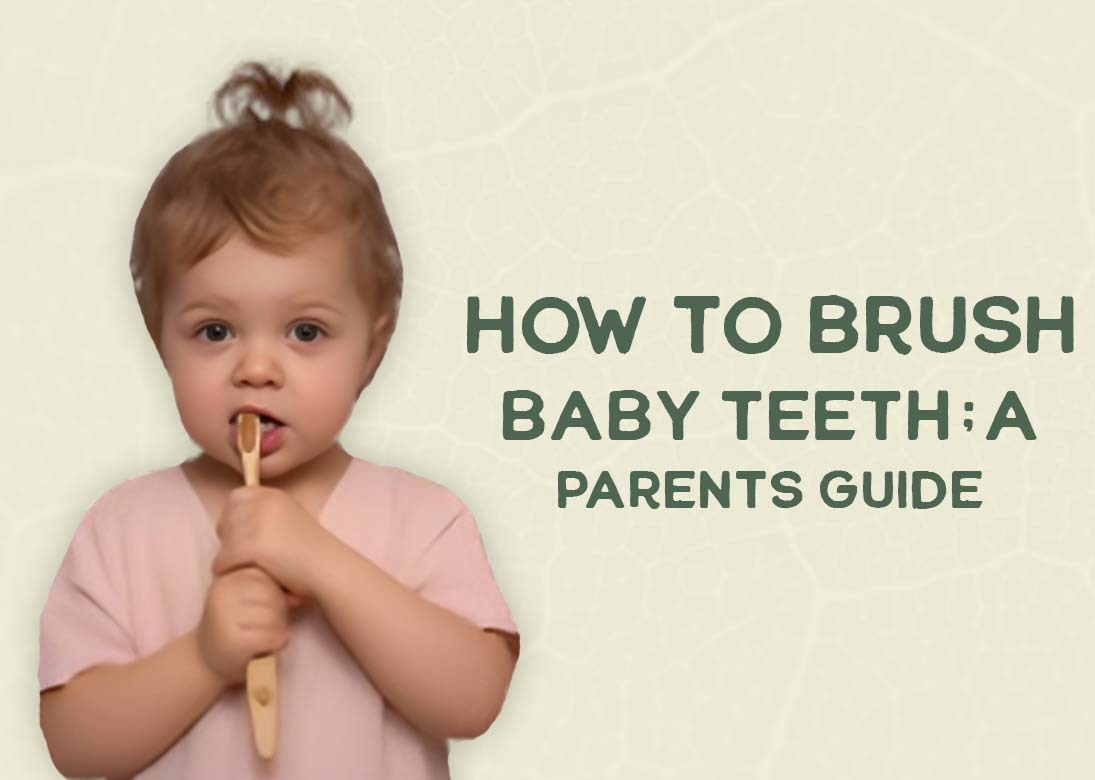
.jpg)
Is Fluoride-Free Toothpaste for Kids the Right Choice? Pros & Cons
A toothpaste is one of the main aspects of maintaining oral hygiene in children. Kids who have started or fully developed their teeth need protection against cavities and other gum diseases. Therefore, for children, it is not just about the flavor but also safety, cavity prevention, and the development of long-term oral habits.
Fluoride-free toothpaste for kids is one of the beneficial options to consider, especially when swallowing is a concern or when a preference for natural ingredients is a priority. However, it is still a debate as fluoride has become a widely pediatric dentist recommended defense against tooth decay for kids.
This blog will help you assess under practical guidance for making an informed decision on which one to choose.
Practical Advantages of Fluoride-Free Toothpaste for Kids
The following are a few benefits of opting for kids’ fluoride-free toothpaste:
Safety with Swallowing
Parents are often concerned about their young children, as they might swallow the toothpaste. As it can be a health risk choosing between fluoride vs fluoride-free toothpaste, the latter one becomes more suitable. It reduces the risk of fluorosis and systemic fluoride exposure if a child swallows toothpaste while brushing.
Gentler Ingredients
A fluoride-free toothpaste for kids is often the one with milder or natural ingredients. These toothpastes help reassure parents that they contain minimal synthetic additives and no potential allergens, supporting the overall well-being of their children. This selected toothpaste often includes plant extracts, natural flavors, and alternative/or natural polishing agents.
Child-Friendly Focus
A fluoride-free toothpaste is also known as baby-safe toothpaste, as children who have just started learning to brush can benefit from it. In addition, these toothpastes are commonly marketed with kid-friendly flavors and textures, which may help establish brushing routines in early childhood.
Potential Drawbacks of Fluoride-Free Toothpaste for Kids
Parents must know that fluoride-free toothpaste also comprises a few potential drawbacks that may affect their child’s oral health. These drawbacks of kids’ fluoride-free toothpaste include:
Cavity Protection Gaps
Fluoride in toothpastes is a well-established, evidence-based formula that guarantees defense against tooth decay in children. However, opting for fluoride-free toothpaste for kids may not provide equivalent cavity protection. Moreover, it also increases the risk of tooth decay as children are more prone to sugary items.
Potentially Weaker Enamel Protection
Parents are often aware of the fact that children have sensitive teeth. Therefore, they opt for alternative formulations, use as nano-hydroxyapatite or xylitol. These fluoride-free options do play supportive roles cannot replace fluoride’s well-documented remineralization benefits in all scenarios.
Transition Complexity
Another potential drawback of fluoride-free toothpaste for kids is that later switching to the fluoride ones will require significant adjustments. Parents might have to schedule pediatric dental visits for initial examinations and education about how much toothpaste to use and when to switch.
Key Considerations For Families
When opting for a baby-safe toothpaste, parents must be aware of the following considerations:
- Little children, usually those under the age of 6, are at a higher risk of swallowing toothpaste. Therefore, selecting a fluoride-free toothpaste can minimize the concerns. However, later pediatric dental visits may be necessary.
- It is recommended that parents avoid fluoride-free toothpaste for kids in situations where the child has a history of dental cavities. A fluoride toothpaste is the best option in that case due to its proven anti-cavity effects.
- If choosing fluoride-free, look for evidence-backed ingredients (such as nano-hydroxyapatite or xylitol). Additionally, parents must avoid products with irritating or questionable additives.
- In terms of fluoride vs fluoride-free toothpaste, the former can be used in consultation with a specialist if the child has swallowing habits. Essentially, fluoride toothpastes enable more robust cavity prevention. Regular dental visits reinforce this approach.
Fluoride-Free Toothpaste: Practical Guidance for Parents
Parents must follow some useful guidelines when opting for fluoride-free toothpaste for kids. These often include:
Start with Age-appropriate Guidance
It is recommended to get an initial pediatric dental exam as your child turns 3 and use a smear of fluoride-free toothpaste. For children 3–6, a pea-sized amount is typical, with constant supervision.
Prioritize Brushing Technique and Frequency
Kid’s fluoride-free toothpaste also requires the same oral routine. The child must be advised that brushing twice daily with proper technique is essential for plaque control and general oral health.
Incorporate Pediatric Dental Visits
Regular checkups help monitor enamel health, cavity risk, and whether a switch in toothpaste type is warranted. Pediatric dentists can also provide personalized guidance.
In The End
Fluoride-free toothpaste for kids can be a reasonable temporary option for young children who swallow toothpaste. In addition, it is also a beneficial approach for households prioritizing natural ingredients. However, fluoride toothpaste remains a cornerstone of cavity prevention for most kids, as they are more prone to cavities. In the end, the best choice depends on the child’s age, risk of tooth decay, swallowing habits, and family values.
Why Choose Kids Camp and CO. Pediatric Dentistry?
Kids Camp and CO. Pediatric Dentistry offers comprehensive pediatric dental services to kids surrounding Parker, CO. With our advanced technology and kid-friendly environment, we encourage children to adopt positive dental habits and maintain good oral hygiene for stronger teeth. Our specialists ensure each child receives a tailored treatment on time.
Frequently Asked Questions (FAQs)
Q1. Are fluoride-free toothpastes effective at preventing cavities?
Fluoride-free formulas may use alternative ingredients, such as nano-hydroxyapatite or xylitol, which can support enamel health and plaque control. However, these alternatives do not have the same breadth of long-term cavity-prevention evidence as fluoride for most children. Decay risk varies by child, diet, and oral hygiene, so individual assessment matters.
Q2. How should I choose a fluoride-free toothpaste for my child?
Look for fluoride-free products that use safe, non-irritating ingredients and avoid artificial additives if those are a concern. It is important to review any safety information from credible sources. Reading product reviews and consulting a pediatric dentist can help tailor choices to your child’s needs.
Q3. How can parents balance safety with effectiveness?
If choosing fluoride-free toothpaste, pair it with other cavity-prevention strategies. These include limiting sugary foods and drinks, consistent brushing, and regular dental checkups. If fluoride toothpaste is used, ensure the kid uses only the recommended amount and spits out most of it, with supervision to minimize swallowing.
Q4. Is fluoride-free toothpaste safe for babies?
Yes, fluoride-free toothpaste can be safe for babies who may swallow toothpaste while learning to brush. Parents should choose age-appropriate products and ask a pediatric dentist for guidance.
Q5. When should a child start using fluoride toothpaste?
Children can start using fluoride toothpaste when the first tooth appears. Parents should use the recommended amount and supervise brushing to support safe and effective oral care.