Guide of Electric Toothbrush for Kids
Pediatric dental cleanings are very important when the children are growing. They need to be guided on time about good oral hygiene, with brushing being one of the most significant aspects. Parents also opt for attractive brushes to encourage their children to build their habits. However, with advancements, children are now more attracted to electric toothbrushes.
Parents must know that electric toothbrushes for kids also have beneficial aspects that not just assist in plaque removal but also encourage proper brushing in children. It is an experience that specialized pediatric dentists also recommend for certain age groups.
Effectiveness and Plaque Removal Evidence of Electric Toothbrushes
Electric toothbrushes for kids are a beneficial approach to maintaining good oral hygiene in children. These brushes perform the following functions:
- Remove up to 50-108% more plaque compared to manual brushing.
- Assist kids in creating many more brush strokes per minute.
- These also assist in reaching difficult areas, leading to healthier teeth and gums overall.
Moreover, statistical evidences also show that it is the best toothbrush for kids as it consists of oscillating-rotating models. In addition, these outperform manual brushes in reducing plaque and gingivitis in children.
According to a published study by the National Library of Medicine:
“For younger kids (ages 3-6), electric brushes reduce about 32-55% more plaque, and for older children (ages 7-10), they can remove up to 50-108% more plaque compared to manual brushing.”
Age-Based Recommendations and Motor Skills of Electric Toothbrushes
According to specialized pediatric dentists electric toothbrush for kids must be given to children of specific ages. These include as following:
Ages 3 to 6
Children of these age groups have fully developed their milk teeth, but still, they lack the fine motor skills needed for effective manual brushing. Choosing an electric toothbrush can improve their brushing technique as these toothbrushes consist of smaller brush heads and gentle vibrations that assist in better cleaning of their teeth. Moreover, young children of these ages are also attracted and stay engaged with these brushes.
Ages 7 to 10
Opting for an electric toothbrush for kids of these age groups can prove beneficial, as they have developed their brushing habits. These electric toothbrushes with timers and simple controls encourage longer and more thorough brushing, improving plaque removal.
Ages 11 and Older
As kids enter their early teen years, their brushing technique develops effectively. Whether they use manual or electric toothbrushes, both help in reducing plaque. However, electric models can still aid in better cleaning, especially for those with braces or other dental appliances.
Motor Skills and Usage of Electric Toothbrushes
When managing children’s brushing techniques, electric toothbrushes assist in reducing the need for complex manual movements. Its usage benefits in the following ways:
- These brushes have oscillators that rotate and vibrate frequently, guaranteeing better cleaning work.
- Children at early stages of their life often experience difficulty with moving the toothbrush around the mouth. An electric toothbrush compensates for these movements and ensures better cleaning.
- An electric toothbrush for kids also proves beneficial for children with limited dexterity, making it easier for parents to assist with brushing.
Pediatric Dentist-Approved Kid-Friendly Electric Toothbrushes
Parents often ask about the best toothbrush for kids. They must know that specialized pediatric dentists have categorized certain toothbrush types for children of various age groups. These brushes are not just soft on gums but also prove effective in plaque removal. These include as following:
Oral-B Kids (Oscillating) Brush
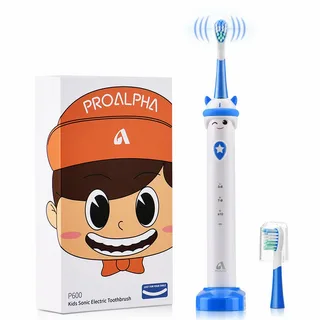
This electric toothbrush for kids is best for children of 3-10 years of age. These brushes prove to be kid-friendly as they have small heads that gently oscillate with timers for better dental cleanings.
Philips Sonicare Toothbrush for Kids
This model of electric toothbrush is best for children between 10-12 years of age. The model includes sonic vibrations and attractive designs to encourage children toward regular brushing. In addition, these brushes also include timers.
Colgate Kids Electric Toothbrush
Children’s brushing technique is often concerning for parents of kids aged 3+ years. This is where the Colgate electric toothbrush proves to be effective, as it includes soft bristles with a gentle oscillation motion and a built-in timer.
Fairywill Kids Toothbrush
This model toothbrush is best for children aged 3-8 years, as it is lightweight and good for sensitive teeth/gums.
Brush Like a Dentist!
Electric Precision for Little Smiles
A Detailed Comparison: Electric vs. Manual Toothbrushes for Kids
A detailed comparison of an electric toothbrush for kids vs the manual ones can help parents make informed decisions about their child’s oral well-being.
In The End
An electric toothbrush for kids is not only a dentist-recommended, practical approach, but also helps engage children in maintaining regular oral well-being. In addition, these brushes are beneficial for children under age 10, who struggle with motor skills or maintaining proper brushing duration. Furthermore, studies support the use of electric brushes for improved oral health outcomes. Parents should look for kid-friendly features such as smaller brush heads, soft bristles, gentle vibration modes, and timers.
Why Choose Kids Camp and Co. Pediatric Dentistry?
Kids Camp and Co. Pediatric Dentistry aims to make pediatric dental care fun, educational, and empowering for kids. With a unique camping-themed environment, we create a comfortable space where children feel excited to visit the dentist. Our experts provide compassionate care, mentorship, and education.
Frequently Asked Questions (FAQs)
Q1. Are electric toothbrushes safe for kids under 3?
No, wait until age 3 for kid-specific models with soft bristles and supervision to avoid injury. Younger toddlers risk swallowing parts or improper use; manual brushes suffice earlier with parent help.
Q2. Can kids with braces use electric toothbrushes?
Yes, orthodontic heads navigate wires effectively, removing more plaque around brackets. It is recommended to avoid sonic if sensitive, but you can opt for oscillating with supervision.
Q3. How often replace heads and clean the brush?
Brush heads must be replaced after every 3 months or when frayed. It is recommended to rinse after use, dry upright. Sanitize weekly in a vinegar solution for hygiene.