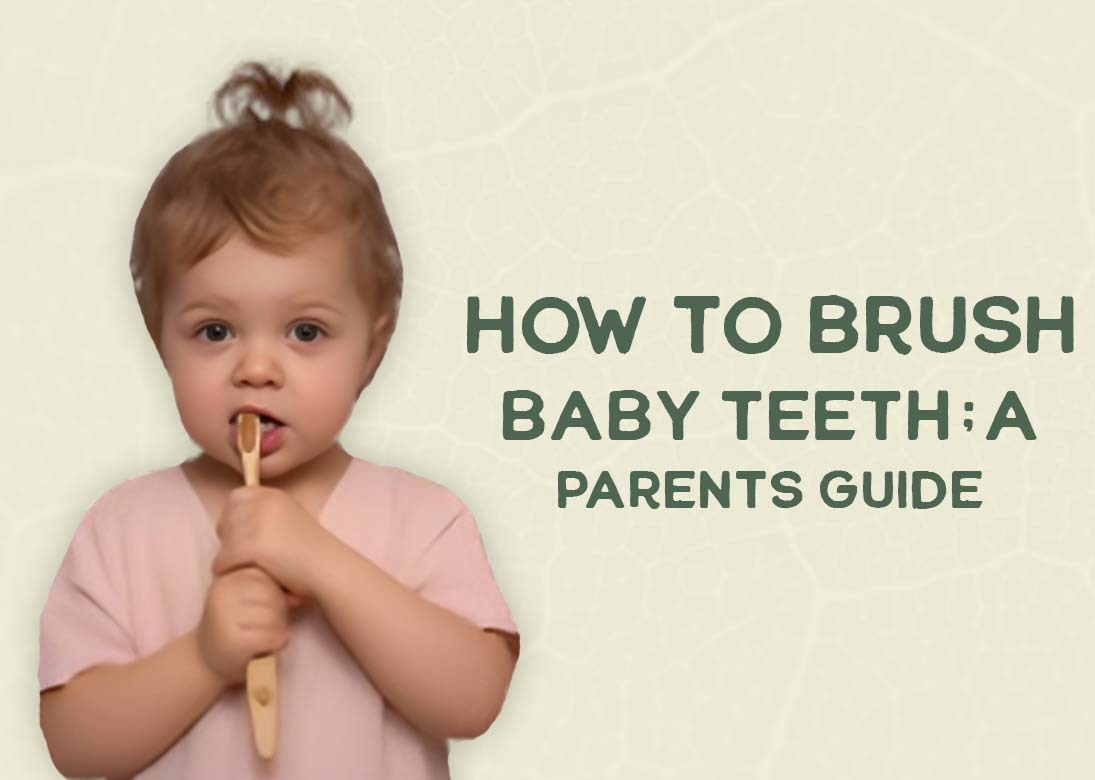
How To Brush Baby Teeth; A Parent’s Guide
A lot of parents fall into the trap of thinking that baby teeth, which are eventually replaced by permanent ones, do not need to be looked after as much. But that is not true at all. The teeth of infants are important as they contribute in the development of speech, in chewing, and in the proper positioning of the incoming adult teeth.
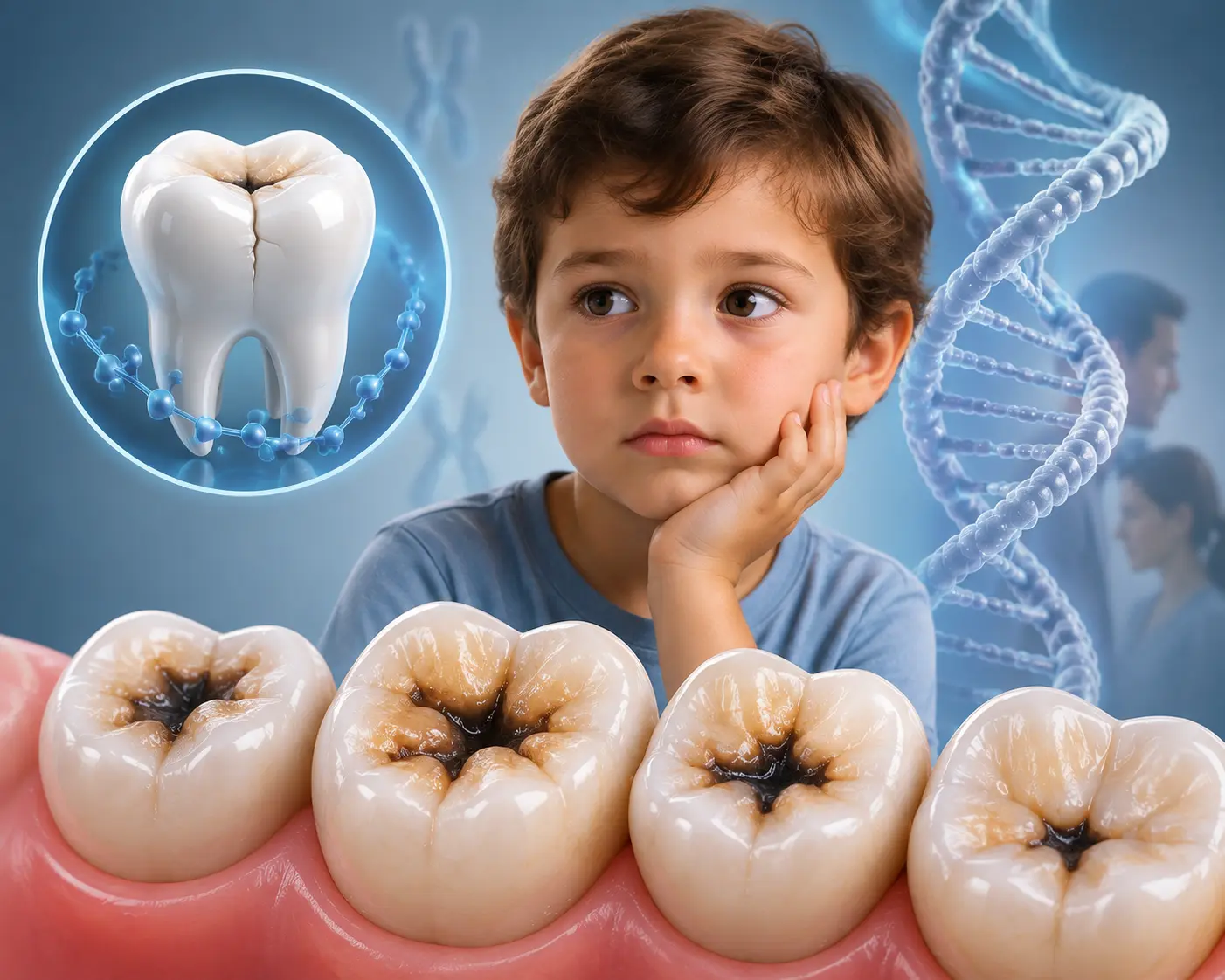
If oral care of the baby is neglected, one of the most common and painful problems in this age group, namely early childhood caries, can arise. In addition, caries besides being painful, can also affect nutrition and even cause problems with the development of adult teeth.
Knowing how to brush baby teeth from the very first moment can save you from these problems and give your child a healthy beginning.
Step-by-step guide: How to Brush Baby Teeth
Here’s a detailed guide on how to brush baby teeth effectively:
Step 1: Tools Collection
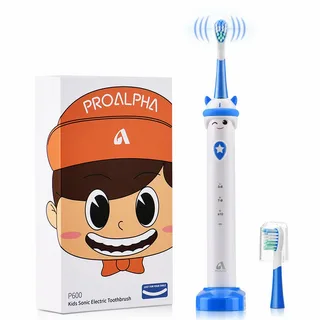
- Soft-bristled infant toothbrush: The softest bristle toothbrush should be selected for brushing baby teeth.
- Fluoride toothpaste: For infants of less than two years old, a "smear" of fluoride toothpaste equal to a grain of rice is to be used. For kids between two and five years, a pea-size dab is fine.
- Comfortable position: Identify a posture that allows you to see the baby’s mouth clearly and they feel safe. This may be with the baby lying across your lap, turned away from you, or with the head resting on your arm.
Step 2: Apply Toothpaste
A little smear of fluoride toothpaste equivalent to the size of a grain of rice should be applied to the bristles of the infant’s toothbrush. This small amount is still safe for the baby, even if he/she swallow it.
Step 3: Motion of Gentle Brushing
Using small circular movements, gently brush the teeth of your baby. The cleaning should be done while being mindful of the gum line, which is the area where plaque builds up. The intention is to clean, not to scrub. This gentle approach is essential when learning how to brush baby teeth.
Step 4: Don’t Forget the Back and Inside Surfaces
Be sure to clean the back teeth and the inside surfaces of the teeth. Being this attentive is an important thing to do while brushing baby teeth.
Step 5: Clean the Tongue
Once the teeth are brushed, take the soft brush and gently go over the surface of your baby’s tongue to get rid of any bacteria and make their breath fresh again.
Step 6: No Rinsing Necessary for Very Young Babies
In the case of very young babies, their mouths do not need to be rinsed. The tiny amount of fluoride toothpaste is good for them to be protected. With age and better spitting skills, you may encourage your child to rinse with a little water.
Step 7: Brush Two Times a Day
The American Academy of Pediatric Dentistry suggests that parents should brush their kids’ teeth twice daily, once in the morning and once at bedtime. Consistency is key when it comes to infant oral care.
Common Mistakes Parents Make When Brushing Baby Teeth
Parents, even when they are cautious, can still make mistakes that can hinder the effective oral hygiene of babies. Knowing these tips will assist you in avoiding them:
Not Starting Early Enough
Waiting for multiple teeth to appear before starting to brush is a common error. Start right after the eruption of the first tooth.
Using Excessive Toothpaste
An excessive amount of fluoride can be harmful, leading to a condition called fluorosis, which in turn affects the permanent teeth by making them discolored. Follow the “smear” or “pea-sized” rules strictly.
Not Brushing for Sufficient Time
Have at least two minutes of brushing as your goal. A timer or a song may serve as a useful aid in tracking time.
Missing Spots
Certain areas can easily be neglected, such as the back teeth or the inside surfaces. Be thorough! This is why knowing how to brush baby teeth is important.
Making it a Battle
If the act of brushing becomes a never-ending fight, your little one might end up having a bad feeling towards it. Conversely, try to make it a fun and joyful activity.
Forgetting About the Dentist
Regular dental check-ups are equally important as daily tooth brushing. Make an appointment for your child's first dental check-up by the time they turn one year old or when the first tooth comes out. This is very important for the infant’s oral care continuity.
Toddler Cooperation Tips
As your baby grows into a toddler, brushing baby teeth might become a real challenge. Check out some ideas below that will motivate your kid to cooperate:
Fun is the Secret
While brushing, tell them stories, sing songs, or make silly noises.
Let Them Decide
Give your toddler the option of selecting their toothbrush or the flavor of toothpaste.
Brush in Unison
First, let your kid see how you clean your teeth, and then let them do the same. You could also do teeth cleaning together.
Use Positive Reinforcement
After the brushing session, tell your kid how well they did. You can say something like: “Oh, you have a nice set of teeth!”
Be Patient and Persistent
It might take time for your toddler to cooperate fully. Just stay patient and consistent.
Consider a Fun App
There are numerous apps for toddlers that make brushing fun with timers and encouraging characters.
If you treat the task with patience, consistency, and a touch of creativity, then not only will they learn how to brush the baby teeth properly but will also develop a positive feeling towards their oral health.
In The End
One of the crucial measures of new parenthood is setting up the routine for baby teeth brushing. It is important to learn how to brush baby teeth. Continuous and correct brushing results in no decay from the start, strengthens gums, and even assures a bright smile in the future. Along with soft techniques, the right amount of fluoride toothpaste, and patience, great oral care can be accomplished. By the time your child turns one, consult your pediatric dentist. Your effort today will last a lifetime and create a healthy oral hygiene environment for the little ones in the future.
Why Choose Kids Camps & Co. Pediatric Dentistry?
At Kids Camp & CO. Pediatric Dentistry, we deliver expert, compassionate pediatric dental care in a fun, stress-free environment. Services include comprehensive preventive care, restorative treatments, minor oral surgery, and emergency dental care, ensuring a positive and healthy start for your child’s smile.
Frequently Asked Questions (FAQs)
Q1. When should I start brushing my baby's teeth?
You should start cleaning your baby's gums with a soft cloth or infant brush twice a day before teeth appear. Once the first tooth erupts, usually around six months, start using a soft-bristled toothbrush and a smear of fluoride toothpaste.
Q2. How much toothpaste should I use?
For babies under the age of two, use a tiny smear of fluoride toothpaste, about the size of a grain of rice. For children aged two to five, increase the amount to a pea-size dab.
Q3. How long should I brush my baby's teeth?
Aim to brush for at least two minutes, twice a day (morning and night). The nighttime brushing before bed is the most important to remove food and bacteria before sleeping.
Q4. Can I brush my baby’s teeth without toothpaste?
Yes, you can clean your baby’s gums and teeth with a soft toothbrush, but once the first tooth appears, a small amount of fluoride toothpaste is recommended. Using the right amount helps protect teeth from cavities while supporting healthy infant oral care.
Q5. What should I do if my baby does not like brushing?
If your baby resists brushing, try making it a fun routine with songs, stories, or letting them choose their toothbrush. Stay patient and consistent, as regular brushing baby teeth helps create healthy habits for the future.